Autumn Leaves

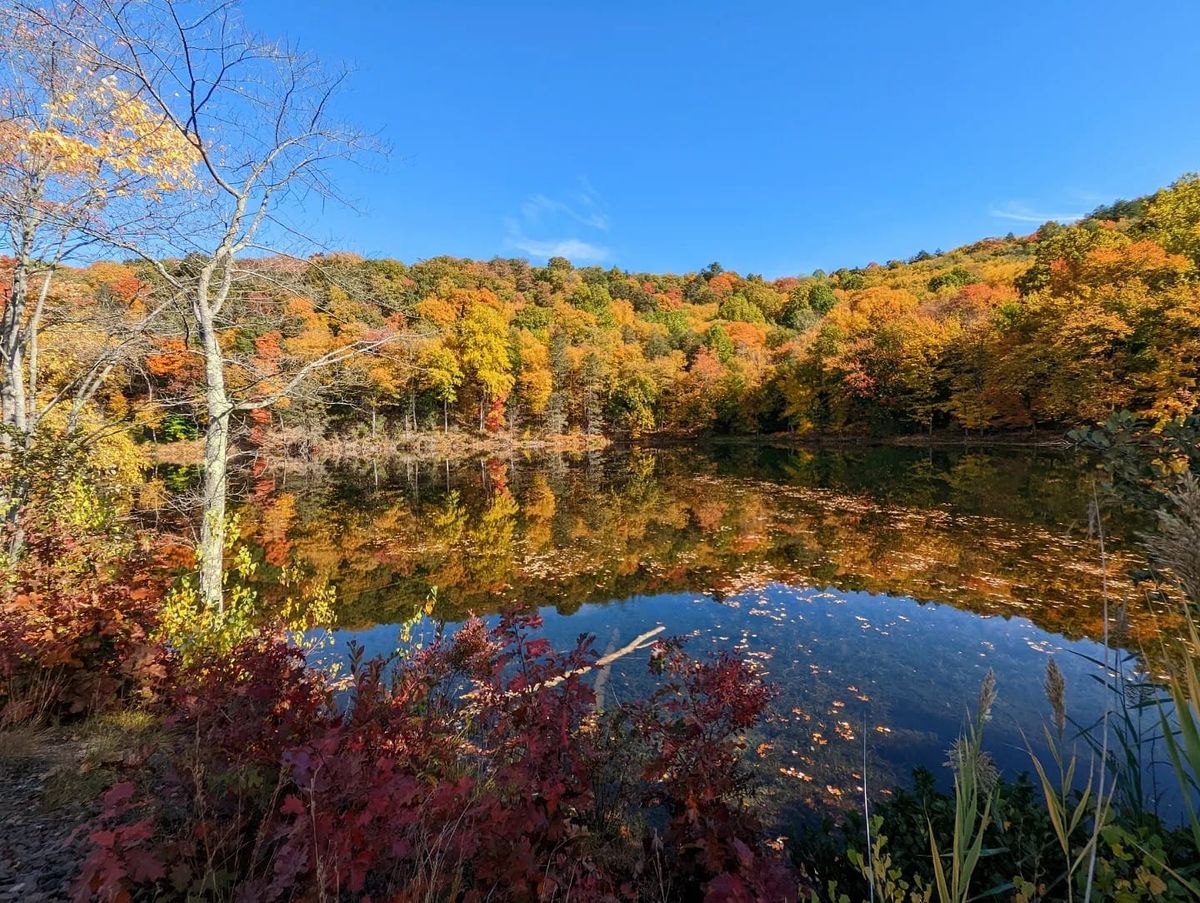
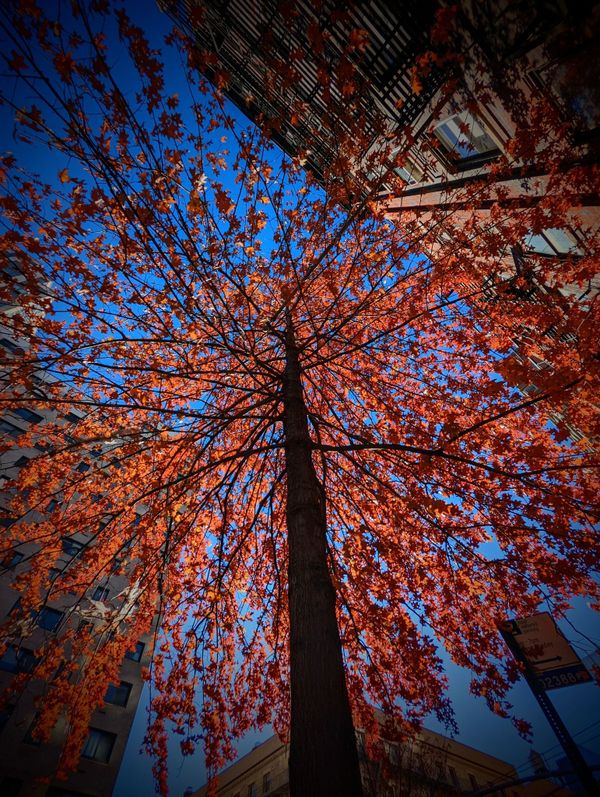
Fall is probably my favorite season. The autumn light is particularly beautiful and the display of leaves switching from green to yellow, orange, red, or eventually brown makes me think of the beauty of the seasons and changes.
The change in the color of the leaves and their falling is mainly dictated by the calendar. As the nights grow longer and cooler, a series of biochemical processes in the leaf start to paint the hues of fall. When the trees sense the environment's cold and the shortness of the days, they signal a cascade of biochemical events to start their downbeat for the winter. These signals start to degrade the chlorophyll, the green pigment that allows the trees to absorb energy from light and also makes them green. Once the chlorophyll starts to degrade, other pigments that have always been in the leaf start to show, and that is how you get the yellows, the oranges and sometimes the browns in the leaves. Thus, autumn colors come from non-chlorophyll pigments. The pigments responsible for the autumn palette are:
- carotenoids produce yellow, orange and brown leaves. These pigments give color to the leaves of birches, poplars and elms, as well as to foods like bananas and carrots.
- anthocyanins produce reds, purples and blended combinations of these. Unlike the carotenoids, the anthocyanins aren’t present throughout the growing season; they are produced once the cold temperatures start. Their formation depends on sugars accumulating in the leaf, together with bright light and cold temperatures. These new anthocyanin pigments make leaves turn red or purple. The more sugar, the brighter the color. Red and sugar maple trees and foods such as beets and radishes get their colors from this pigment.
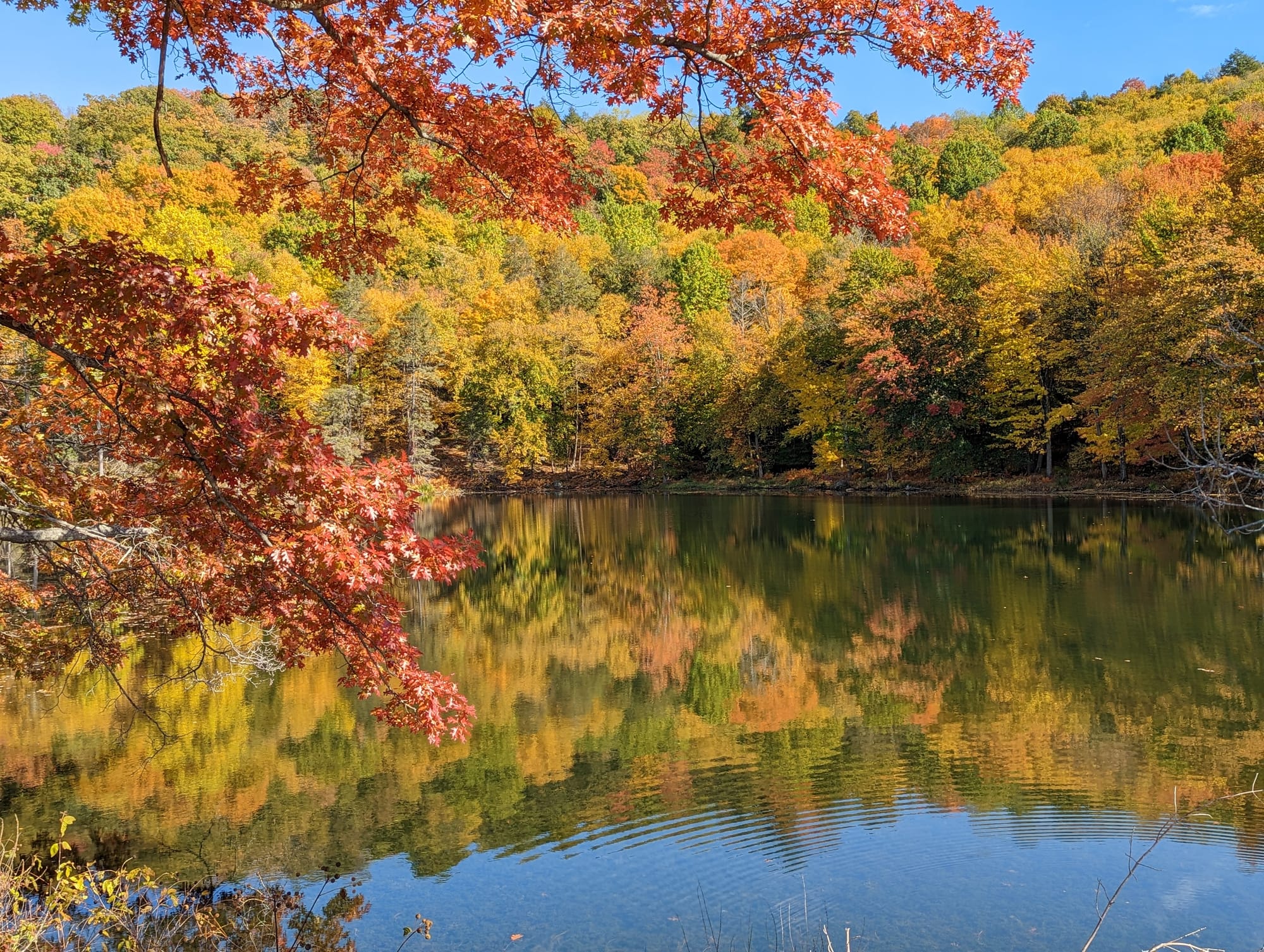
But why would the trees spend energy producing reds for leaves that will fall into the ground? Some scientists think these pigments act as a sunscreen, protecting the aging leaves from excess light, or that they act as a deterrent against insects, protecting the leaves as the tree is trying to save as much material as possible. However, these are not conclusive explanations behind the red pigmentation. In the last few years, a new hypothesis has gained popularity. Some recent research suggests that photoprotection might not be the main function of the anthocyanin synthesis, but the disposal of carbohydrates or sugar disposal. In the summer, sugar produced in the leaves is exported to the tree via the phloem - the tree’s food delivery system, and extra sugar is stored as starch inside the chloroplast and broken down at night.
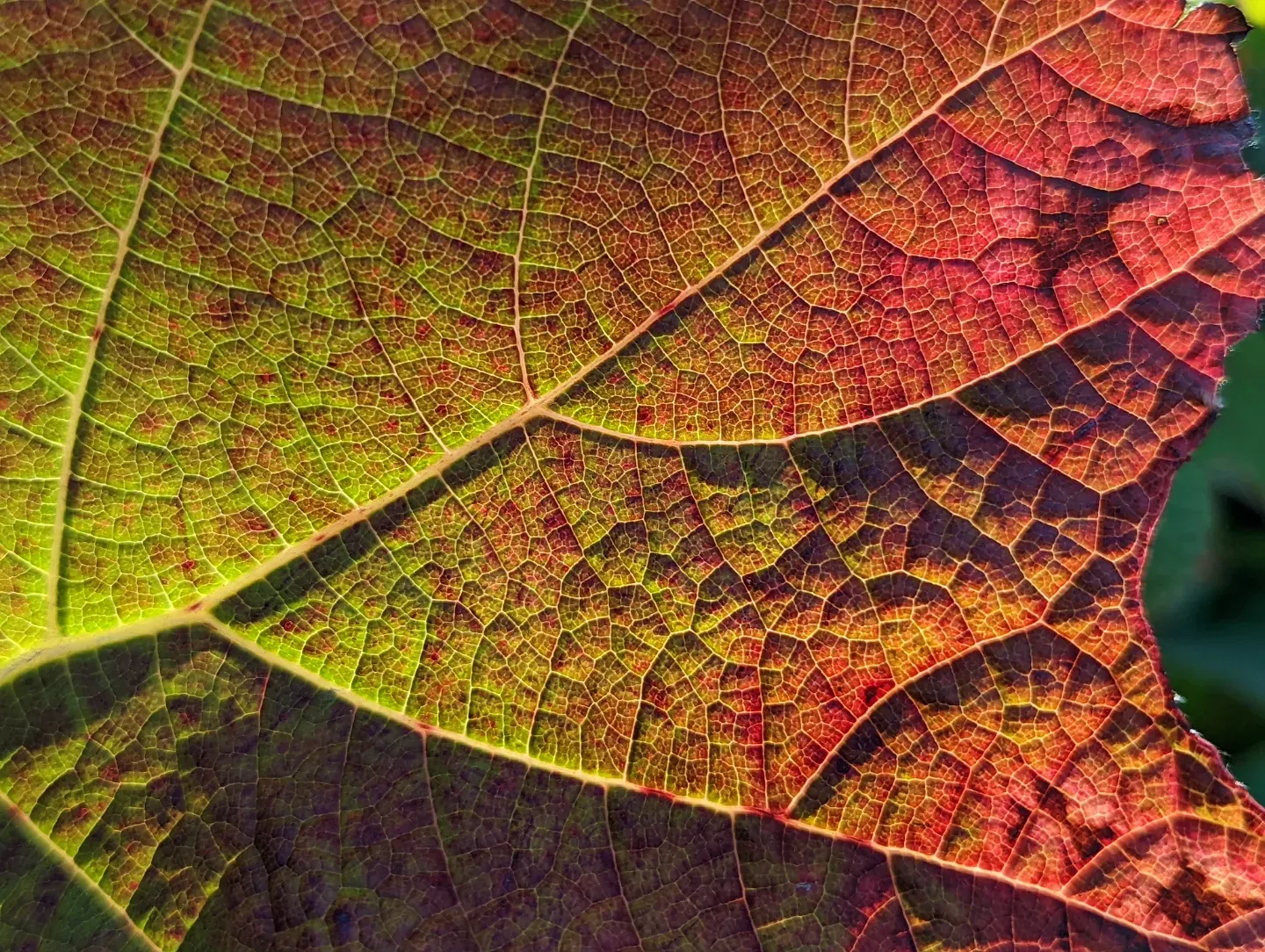
As the leaf shuts down in autumn and gets ready to drop off the tree, it dismantles its proteins and chloroplasts, and sends nitrogen and phosphorus back to the tree, a process known as nutrient resorption. One of the first things to shut down is starch synthesis. However, chlorophyll is still present, so the leaf keeps photosynthesizing on bright, cold days and producing sugars. But the rest of the tree isn’t growing or hungry anymore; it is instead preparing for winter dormancy. Cold temperatures also slow phloem export, and experiments blocking sugar transport out of the leaf show that trapped sugar is enough to trigger anthocyanin production. Thus, all these sugars keep piling up, and high sugar suppresses photosynthesis. The leaf keeps absorbing light it can no longer use, and that excess energy produces reactive oxygen species that damage the cell. So, to avoid all this and keep the electron flow moving, sugar is rerouted into another metabolic pathway to make anthocyanins, which are then stored in the vacuole, keeping the light reactions running. The idea is that energy production continues long enough to finish nutrient resorption before the leaf falls.
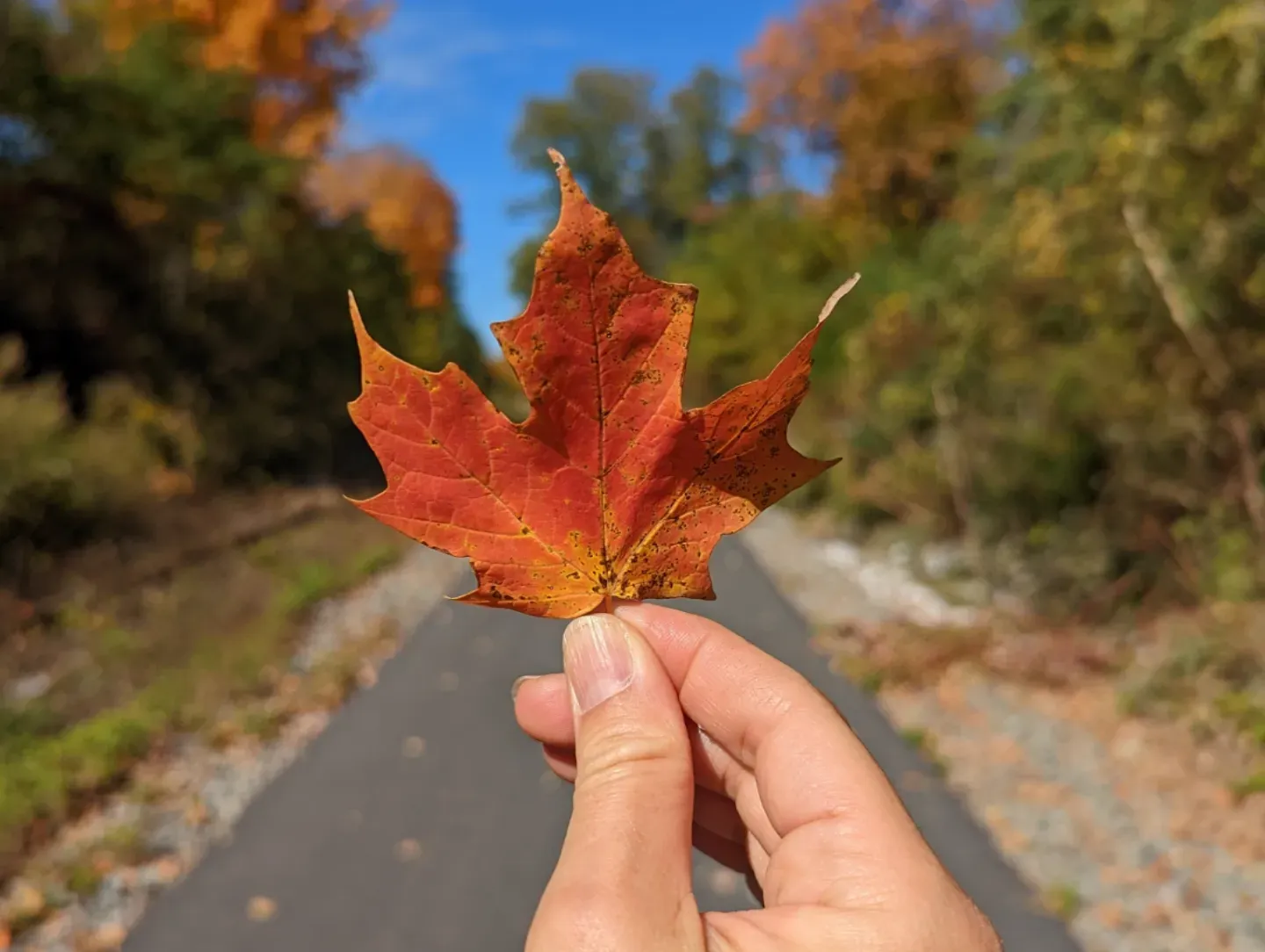
After the leaves change color, they are ready to separate from the tree, and a little bit of wind or rain will make them fall into the ground. So, before all leaves fall into the ground and the winter arrives, go out for a hike and smile at autumn and its colors.
Enjoyed this post? Share it with someone you care for.
References and Further Reading:
- U.S. Forest Service. The Joy and Science of Fall Colors. https://www.fs.usda.gov/visit/fall-colors/joy-and-science
- Brunning, A. (2014). The Chemicals Behind the Colours of Autumn Leaves. Compound Interest. https://www.compoundchem.com/2014/09/11/autumnleaves/
- Hoch, W.A., Singsaas, E.L. & McCown, B.H. (2003). Resorption protection. Anthocyanins facilitate nutrient recovery in autumn by shielding leaves from potentially damaging light levels. Plant Physiology 133: 1296–1305. https://doi.org/10.1104/pp.103.027631
- Pena-Novas, I. & Archetti, M. (2021). A test of the photoprotection hypothesis for the evolution of autumn colours: chlorophyll resorption, not anthocyanin production, is correlated with nitrogen translocation. Journal of Evolutionary Biology 34: 1423–1431. https://doi.org/10.1111/jeb.13903
- Mattila, H. & Tyystjärvi, E. (2023). Red pigments in autumn leaves of Norway maple do not offer significant photoprotection but coincide with stress symptoms. Tree Physiology 43: 751–768. https://doi.org/10.1093/treephys/tpad010
- Kitao, M. et al. (2024). Anthocyanins act as a sugar-buffer and an alternative electron sink in response to starch depletion during leaf senescence: a case study on a typical anthocyanic tree species, Acer japonicum. Journal of Experimental Botany 75: 3521–3541. https://doi.org/10.1093/jxb/erae109
- Murakami, P.F., Schaberg, P.G. & Shane, J.B. (2008). Stem girdling manipulates leaf sugar concentrations and anthocyanin expression in sugar maple trees during autumn. Tree Physiology 28: 1467–1473. https://doi.org/10.1093/treephys/28.10.1467
- Archetti, M. (2009). Evidence from the domestication of apple for the maintenance of autumn colours by coevolution. Proceedings of the Royal Society B 276: 2575–2580. https://doi.org/10.1098/rspb.2009.0355
- Hughes, N.M. et al. (2022). Coevolution and photoprotection as complementary hypotheses for autumn leaf reddening: a nutrient-centered perspective. New Phytologist 233: 22–29. https://doi.org/10.1111/nph.17735
Written by Yuriria Vázquez. Grammar and style were proofread with the help of Claude (Anthropic); all content, analysis, photos and references are the author's work.